


Deliver Stunning Live Music Production
- Scotty Paulk
- Dec 9, 2025
- 4 min read
Updated: Feb 2
Creating an Unforgettable Live Music Event: Mastering Production Techniques
==========================================================================
Creating an unforgettable live music event requires more than just great artists and a packed venue. It demands meticulous planning, technical expertise, and creative vision. Whether you are organizing a small local gig or a large-scale concert, mastering the art of live music event production is essential to deliver a seamless and captivating experience for both performers and audiences.
Understanding the Essentials of Live Music Event Production
Live music event production involves coordinating various elements such as sound, lighting, staging, and logistics to ensure the event runs smoothly. The goal is to create an immersive atmosphere that enhances the music and keeps the audience engaged.
Key Components to Focus On
Sound Quality: Clear, balanced audio is critical. Invest in quality microphones, speakers, and mixing consoles.
Lighting Design: Lighting sets the mood and highlights performers. Use dynamic lighting that changes with the music.
Stage Setup: A well-organized stage allows performers to move freely and interact with the crowd.
Technical Crew: Skilled technicians manage sound and lighting equipment, troubleshoot issues, and maintain flow.
Audience Experience: Consider sightlines, seating, and crowd control to maximize comfort and safety.
Practical Tips for Success
Conduct thorough sound checks before the event.
Use wireless systems to reduce cable clutter.
Plan lighting cues that sync with the setlist.
Have backup equipment ready for emergencies.
Communicate clearly with all team members.
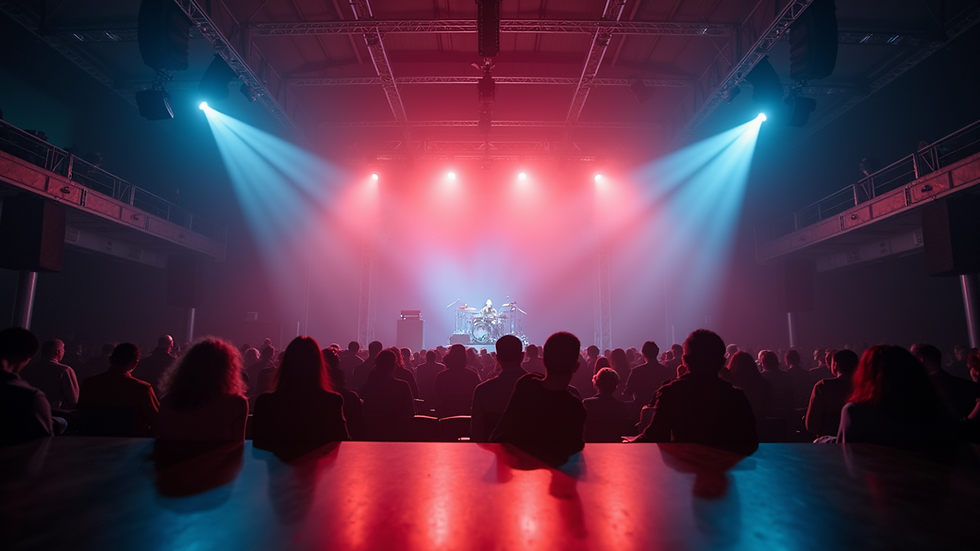
Lighting and stage setup are crucial for a successful live music event.
How to Master Live Music Event Production
Mastering live music event production requires a blend of technical knowledge and creative intuition. Here are some strategies to elevate your production skills:
Planning and Pre-Production
Venue Assessment: Visit the venue to understand acoustics, power availability, and space constraints.
Equipment Inventory: List all necessary gear and verify functionality.
Schedule Coordination: Create a detailed timeline for setup, rehearsals, and the event itself.
Artist Collaboration: Discuss technical needs and preferences with performers.
Execution During the Event
Sound Mixing: Adjust levels in real-time to accommodate different instruments and vocals.
Lighting Control: Use programmable lighting boards to create dynamic effects.
Stage Management: Coordinate performer entrances, exits, and transitions smoothly.
Problem Solving: Stay calm and ready to address unexpected issues quickly.
Post-Event Review
Gather feedback from artists, crew, and attendees.
Analyze what worked well and identify areas for improvement.
Document lessons learned for future events.

Sound mixing is a critical aspect of live music event production.
Essential Equipment for Live Music Event Production
Having the right equipment can make or break your event. Here’s a checklist of must-have gear:
PA System: High-quality speakers and amplifiers to project sound clearly.
Mixing Console: For balancing audio inputs and outputs.
Microphones: Wired and wireless options for vocals and instruments.
Monitors: Stage monitors help performers hear themselves.
Lighting Fixtures: Spotlights, LED panels, and moving heads.
Cables and Connectors: Reliable and organized cabling is essential.
Power Distribution: Safe and sufficient power supply for all equipment.
Recording Devices: Optional, for capturing the live performance.
Investing in durable, professional-grade equipment ensures reliability and enhances the overall production quality.
Enhancing Audience Engagement Through Production
A successful live music event is not just about sound and visuals; it’s about creating a memorable experience that resonates with the audience.
Interactive Elements to Consider
Visual Effects: Use projections, video walls, or lasers to complement the music.
Stage Design: Incorporate thematic elements that reflect the artist’s style.
Crowd Interaction: Encourage sing-alongs, call-and-response, or dance breaks.
Social Media Integration: Live stream the event or create hashtags to boost online engagement.
Safety and Comfort
Ensure clear signage and accessible exits.
Provide adequate lighting in common areas.
Manage crowd flow to prevent congestion.
Offer amenities like water stations and seating areas.
By focusing on these details, you create a welcoming environment that keeps the audience energized and connected.
Elevate Your Event with Professional Live Music Production Services
For those seeking to deliver truly stunning live music events, partnering with experienced professionals can make all the difference. Expert teams bring technical know-how, creative insight, and logistical support to every stage of the event.
Explore how live music production services can transform your vision into reality. From initial planning to final execution, these specialists ensure your event runs flawlessly and leaves a lasting impression.
Final Thoughts on Crafting Unforgettable Live Music Events
Delivering a stunning live music event requires dedication, skill, and attention to detail. By mastering the essentials of production, investing in quality equipment, and focusing on audience engagement, you can create experiences that captivate and inspire.
Remember, every successful event is a combination of preparation, creativity, and teamwork. Embrace these principles, and your next live music event will be one to remember.
The Importance of Continuous Learning in Event Production
In the world of live music event production, staying updated with the latest trends and technologies is crucial. Continuous learning helps you adapt to new challenges and enhances your skills. Attend workshops, webinars, and industry conferences to expand your knowledge base. Networking with other professionals can also provide valuable insights and inspiration.
Embracing Innovation
Technology is constantly evolving, and so are the methods used in live music production. Embrace innovation by experimenting with new tools and techniques. For instance, virtual reality and augmented reality are becoming popular in enhancing audience experiences. Consider how these technologies can be integrated into your events to create unique and memorable experiences.
Building a Strong Team
A successful live music event relies heavily on teamwork. Build a strong team of professionals who share your vision and passion for music. Encourage open communication and collaboration among team members. This fosters a positive working environment and leads to better outcomes.
The Role of Feedback
Feedback is essential for growth. After each event, gather input from your team, artists, and audience. Analyze this feedback to identify strengths and areas for improvement. This will help you refine your approach and elevate the quality of future events.
By focusing on continuous learning, embracing innovation, building a strong team, and valuing feedback, you can ensure that your live music events are not only successful but also memorable for everyone involved.


Comments